Skip to content

Maui Snorkeling Guide

Last Updated on April 30, 2026 ⋅
Written By: author avatar Daniel Mode
author avatar Daniel Mode
Daniel Mode is a seasoned travel writer and documentary professional specializing in tropical and island destinations worldwide. With his documentary work with the Discovery Channel and over 20 years of travel writing experience since 2002, Daniel brings decades of media production expertise and hands-on travel experience to readers seeking authentic insights into paradise locations.
and
reviewer avatar Laura Schulthies
Laura Schulthies is a seasoned travel journalist and content creator specializing in tropical and island destinations worldwide. With over 15 years of experience in journalism and travel writing since her early career beginnings, Laura brings extensive hands-on travel experience and professional guiding expertise to readers seeking authentic insights into paradise locations.

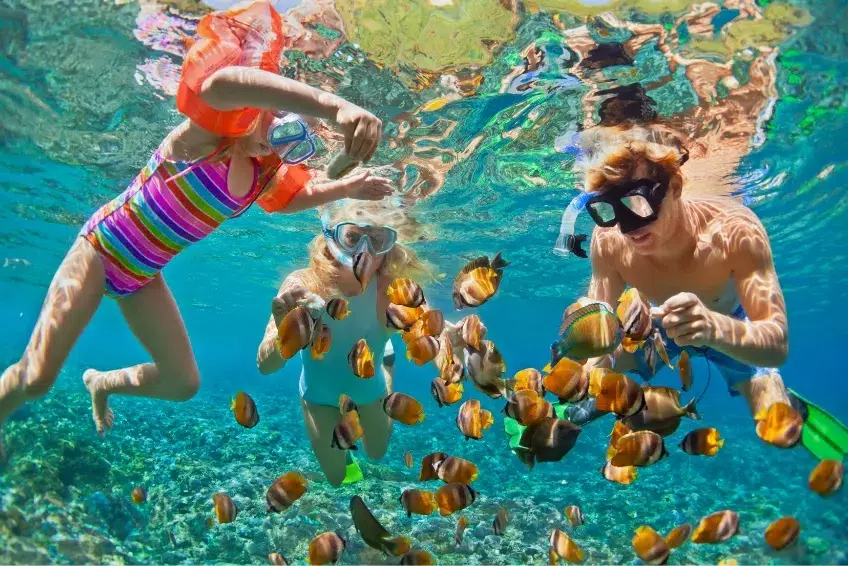
After years of covering Hawaii’s coastline, we’ll say this flat out: Maui is the best snorkeling island in the Hawaiian chain. It’s not even a close call. You’ve got the eerie beauty of a half-submerged volcanic crater just offshore, one of the world’s largest manta ray reef systems accessible directly from the highway, and sea turtle encounters so reliable they’ve earned their own named destination. Whether you’ve never worn a mask before or you’re the kind of traveler who packs their own fins, Maui has a snorkeling experience calibrated exactly for you.

This guide covers the ten best snorkeling sites on the island, the boat tours worth booking (and how to choose between them), what gear you actually need, and the seasonal patterns that determine which sites are firing on any given week. Let’s get into it!

After years of covering Hawaii’s coastline, we’ll say this flat out: Maui is the best snorkeling island in the Hawaiian chain. It’s not even a close call. You’ve got the eerie beauty of a half-submerged volcanic crater just offshore, one of the world’s largest manta ray reef systems accessible directly from the highway, and sea turtle encounters so reliable they’ve earned their own named destination. Whether you’ve never worn a mask before or you’re the kind of traveler who packs their own fins, Maui has a snorkeling experience calibrated exactly for you.

This guide covers the ten best snorkeling sites on the island, the boat tours worth booking (and how to choose between them), what gear you actually need, and the seasonal patterns that determine which sites are firing on any given week. Let’s get into it!

This article contains affiliate links. If you click on our links, we may earn a small commission at no extra cost to you. This helps us continue to offer free travel guides, but does not influence our recommendations in any way. Thanks for supporting independent travel content.

Contents

Maui Snorkeling Turtles
Maui Snorkeling

Maui Snorkeling Sites

With more than 30 miles of coastline, Maui offers snorkeling options that range from protected beginner coves to offshore sanctuary reefs. Here’s a quick-reference breakdown before we dive into the details.

SiteBest ForAccessGear Rental On-SiteLifeguard
Molokini CraterAll levels (boat only)Boat tourNo (most tours include gear)No
Turtle TownAll levelsShore or boatNoNo
Kapalua BayBeginners, familiesShoreYes (Aqualani kiosk)No
Kahekili BeachAll levelsShoreNearby shops onlyNo
Hanakaoo (Canoe Beach)FamiliesShoreNoYes
Olowalu BeachIntermediate+ShoreNoNo
Honolua BayIntermediate+ShoreNoNo
Charley Young BeachBeginnersShoreNoNo
Keawakapu BeachAll levels (calm days)ShoreNoNo
Po’olenalena BeachIntermediate, experiencedShoreNoNo

Molokini Crater

Maui Snorkeling: Molokini Crater
Maui Snorkeling Guide: Molokini Crater

1. Molokini Crater

Molokini Crater sits about 2.5 miles off the coast of Makena and looks exactly as dramatic from the water as it does in photos. A crescent of volcanic rock rising 161 feet above the surface, with the reef dropping more than 300 feet below. It’s a State of Hawaii Marine Life Conservation District, which means no fishing, no collecting, no anchoring, and no feeding the wildlife. What that status buys you is extraordinary water clarity, sometimes pushing 150 feet of visibility on a calm morning.

The crater harbors around 250 species of marine life, including:

  • 38 varieties of hard coral
  • White Tip Reef Sharks
  • Moray Eels
  • Triggerfish
  • Yellow Tang
  • Threadfin Butterflies
  • Spinner Dolphins
  • Manta Rays
  • Hawaiian Monk Seals
  • Humpback Whales during their December through April migration season. Lucky snorkelers can actually hear whale songs underwater during peak season.

The single most important variable at Molokini is timing. The first boats in the water, typically departing Maalaea Harbor around 6:30 to 7:00 a.m., get the calmest seas and best visibility before the wind picks up. By mid-morning, when the larger catamarans arrive in force, conditions can be significantly more crowded and choppier. There are a variety of tours to choose from. Our suggestion is to go early and go small. Tours operating rigid inflatable boats (RIBs) can reach the crater faster and access sections of the crater wall that the big catamarans can’t get near, including the dramatic back wall.

Here’s one important note, however. Molokini’s coral health has faltered in recent years. We’ve seen sections of bleached or sparse coral, particularly on the inner wall. The crater’s marine life diversity is still impressive, but visitors expecting wall-to-wall pristine reef may find shore sites like Olowalu more visually rewarding in that specific regard. That said, the sheer drama of snorkeling inside a half-submerged volcanic crater, the water clarity, and the variety of ocean life make it a genuinely bucket-list experience.

The crater has no amenities. Book a boat tour that departs from Maalaea Harbor. Virtually all reputable tour operators include snorkel gear, flotation devices, and food and drinks as part of their packages.

Island Life Tip: If your tour operator offers an early departure option, take it every time. Arrive at the harbor 20 minutes before your check-in time.

Turtle Town

Maui Snorkeling: Turtle Town

2. Turtle Town

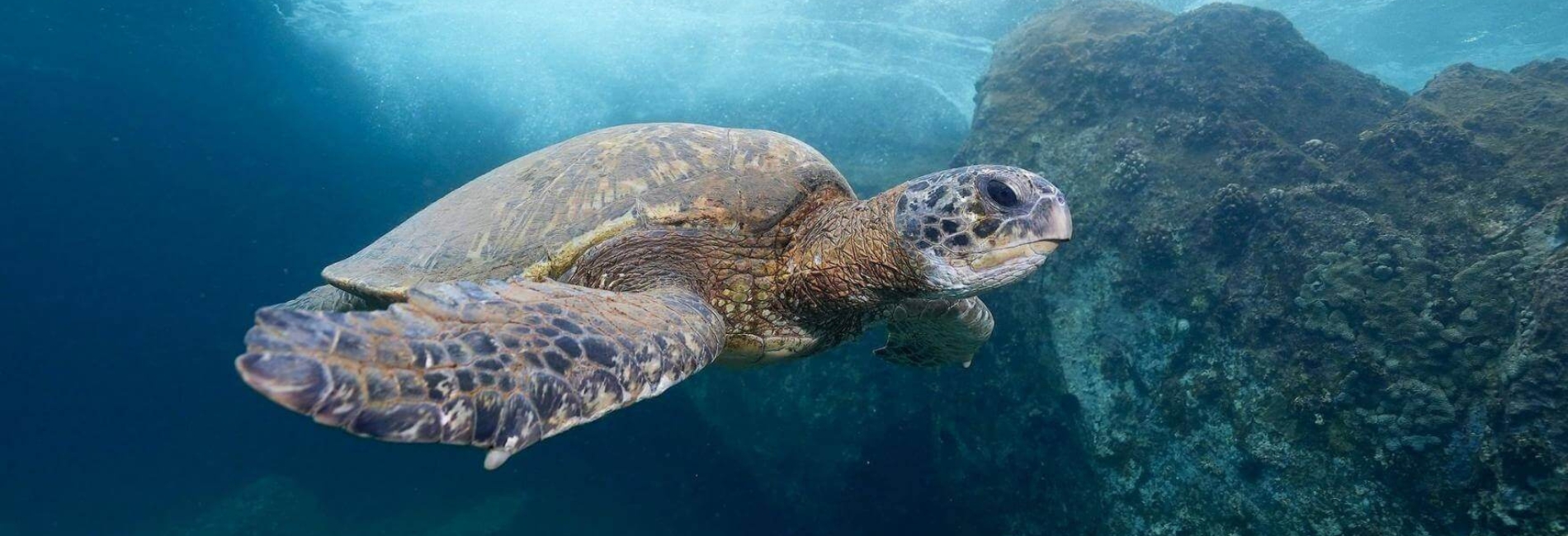
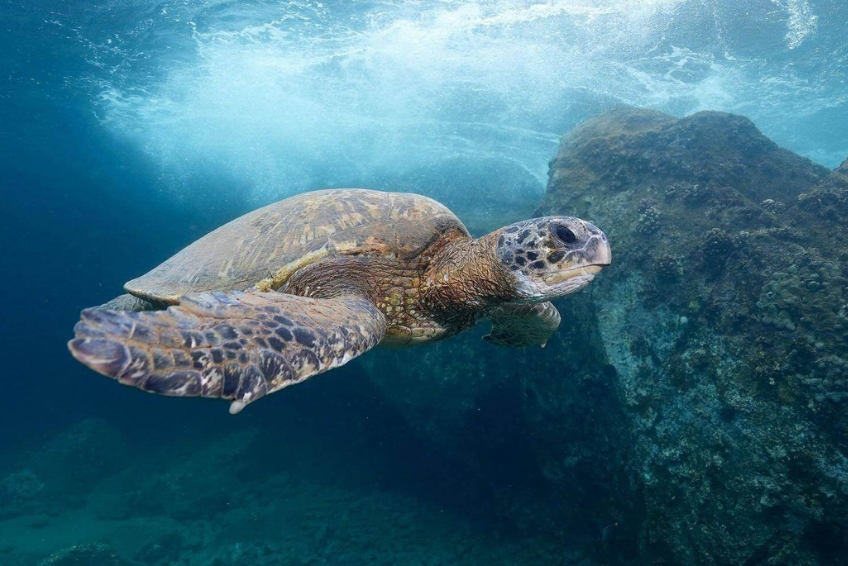
Turtle Town isn’t a single beach. It’s a stretch of reef running along the south Maui coast near Makena, created by a series of lava tubes, arches, caves, and coral formations, anchored by a notable 40-foot lava mound locally called “The Pinnacle.” The Hawaiian Green Sea Turtles here congregate to feed and rest among the formations, and the encounter rates are high enough that reliable turtle sightings are essentially the norm rather than the exception.

Snorkelers can reach Turtle Town both from shore (via Maluaka Beach or Makena Landing) and by boat tour or kayak tour. The shore approach is accessible for all experience levels, with generally calm, clear water. Boat tours combine Turtle Town with Molokini Crater on the same trip, giving you the offshore crater experience and the turtle encounters in one outing.

We’ve often encountered multiple turtles simultaneously, sometimes five or more in a single dive, along with:

  • Butterflyfish
  • Triggerfish
  • Eagle Rays
  • Eels
  • Trumpetfish
  • The occasional Octopus!

Maluaka Beach, the main shore access point, offers flushing restrooms, outdoor showers, two parking lots, and grassy picnic areas. Makena Landing has a paved parking lot, restrooms, showers, and BBQ facilities. Boat tours typically include food and drinks. Recommended supplies include snorkeling gear, coral-safe sunblock, UV-blocking swimwear, hats, and sunglasses. See our Hawaii Packing Guide for recommendations.

Island Life Tips: Shore snorkelers should enter at Maluaka Beach rather than Makena Landing for easier water entry and better immediate visibility. Head south along the reef for the highest turtle concentration.

Kapalua Bay

Maui Snorkeling: Kapalua Bay

3. Kapalua Bay

Kapalua Bay has won the title of America’s Best Beach twice (once in the early 1990s and again in 2018), and it’s earned that reputation. The crescent-shaped cove on Maui’s northwest corner offers water calm enough for first-time snorkelers, immediate proximity to marine life, and soft sand that makes entry easy. Sea turtles regularly cruise the lava rock formations on either side of the bay, and you don’t have to go far from shore to find fish.

The insider tip worth knowing here is to snorkel the right side of the bay, following the lava rock line. The left side has a sandy entry that’s easier on your feet, but the best coral and fish concentrations are along the right-side rocks. Visibility improves the further out you go. We’ve seen loads of sea life, including:

  • Green Sea Turtles
  • Moorish Idols
  • Triggerfish
  • Butterflyfish
  • Unicornfish
  • Tangs
  • The occasional Humuhumunukunukuapua’a (Hawaii’s state fish, and yes, we love writing that out!)

A few practical realities. Parking is limited and genuinely expensive. The main Kapalua-operated lot charges a flat rate of $29 plus tax, paid via smartphone QR code. Limited free or cheaper street parking exists along Lower Honoapiilani Road, but it fills early. Plan to arrive by 8:00 a.m. on weekends, or you’re competing for scraps. There is no lifeguard on duty.

Gear rentals are available directly on the beach at the Aqualani kiosk (open daily 8:00 a.m. to 5:00 p.m.), which rents snorkel sets for around $20 for 2 hours and $25 for a full day, along with boogie boards, kayaks, paddleboards, beach chairs, and umbrellas. Other facilities include toilets, water fountains, and outdoor showers at the beach entrance.

Island Life Tips: Arrive early, snorkel first, and then take the Kapalua Coastal Trail for a scenic walk once the beach starts to fill up. Food options at the beach itself are limited, so pack snacks or plan a stop at the Sea House restaurant nearby for breakfast.

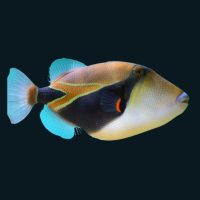
Humuhumunukunukuapua’a

Humuhumunukunukuapua'a Pronunciation Guide

You may have heard of Hawaii’s state fish. But can you say it! Here you go… Hoo-moo-hoo-moo-noo-koo-noo-koo-ah-poo-ah-ah. Or break it into four chunks: humuhumu / nukunu / ku / apua’a. Say it slowly once, then try full speed. If you nail it before your flight home, you’ve earned something. If you don’t, you’re in excellent company!

Kahekili Beach (Airport Beach)

Maui Snorkeling: Kahekili Airport Beach

4. Kahekili Beach (Airport Beach)

Kahekili Beach carries its old name, Airport Beach, from its former life as the home of Kaanapali Airport until 1986. What was once a runway is now one of west Maui’s better shore snorkeling spots, protected by its inclusion in the Kahekili Herbivore Fisheries Management Area. That designation limits certain fishing activities to allow fish populations to thrive, which in practice means more fish cleaning the reef and a noticeably healthier underwater ecosystem than you’d find at unprotected beaches.

Snorkelers here regularly encounter:

  • Bluefin Trevally
  • Eels
  • Goatfish
  • Black Triggerfish
  • Yellow Tang
  • Humuhumunukunukuapua’a
  • Green Sea Turtles
  • Unicornfish

The access is easy, and the amenities are among the best of any free beach on the island. They include a large parking lot that rarely fills completely, public restrooms, outdoor showers, water fountains, a covered pavilion, picnic tables, BBQ grills, and a boardwalk connecting to Kaanapali Beach. An EV charging station is also on site.

There’s no gear rental on the beach itself, but nearby Kaanapali resort activity desks and Boss Frog’s (a reliable local chain) offer gear rentals within a short drive. If you’re spending time in Maui, though, we suggest bringing your own snorkeling gear.

Island Life Tips: Enter the water at the northern end of the beach where the reef starts sooner, and work your way south toward the Kaanapali boardwalk for the most diverse fish encounters.

Hanakaoʻo Park (Canoe Beach)

Maui Snorkeling: Snorkeling Hanakaoʻo Park
Maui Snorkeling: Hanakaoʻo Park

5. Hanakaoʻo Park (Canoe Beach)

Hanakao’o Park, known locally as Canoe Beach, is the only snorkeling site on this list with a lifeguard on duty, which makes it the most family-appropriate option if your group includes young or nervous swimmers. The beach sits on the north side of Wahikuli Wayside Park past Mile Marker 23, and offers more amenities than most. BBQs, canoe rentals, picnic tables, restrooms, and a manned lifeguard station.

The snorkeling is decent rather than spectacular. Regular residents include:

  • Sea Turtles
  • Triggerfish
  • Yellow Tang
  • Sergeant Majors
  • Achilles Tang
  • Eels

But the site is better suited for families seeking a protected swimming area with good facilities than for serious snorkelers chasing peak marine life diversity. You’ll find more dramatic reefs at nearly every other site on this list.

One practical note: the area is lined with Kiawe trees, which drop sharp thorns on the ground. Wear sandals or water shoes from the car to the water’s edge.

Island Life Tips: This is the right call if you’re traveling with children under 8 or with swimmers who genuinely aren’t comfortable without a lifeguard present. For everyone else, the snorkeling is better elsewhere.

Olowalu Beach

Maui Snorkeling: Olowalu Beach

6. Olowalu Beach

Olowalu doesn’t look like much from the highway. A strip of beach alongside the Honoapiilani Highway at Mile Marker 14, no facilities, no signage beyond the mile marker itself, no dramatic resort backdrop. What lies beneath the surface is a completely different story.

The Olowalu reef system spans 939 acres and is Maui’s largest and oldest living reef. Some coral heads here have been dated back 500 years. It’s home to the largest known manta ray population in the United States (the fourth-largest resident manta ray population in the world), two Hawaiian Green Sea Turtle cleaning stations where turtles gather to have algae and parasites removed by cleaner wrasses, and a black tip reef shark nursery that’s one of only a few in all of Hawaii. The Nature Conservancy has designated it as a Mission Blue Hope Spot, which gives you some sense of what’s at stake here ecologically.

The best snorkeling starts further out from shore, where the enormous coral heads create maze-like corridors, and the marine diversity picks up sharply. Visibility can be patchy closer to shore, particularly after rain when the Olowalu stream carries sediment into the bay. Some coral bleaching has been seen, particularly on shallower sections of the reef. The parking situation requires care. We suggest pulling entirely onto the hard-packed ground parallel to the highway and facing the ocean for easier re-entry to traffic.

One thing most guides skip over… Olowalu is the only beach on Maui with permanent shark warning signs posted. Reef sharks here are essentially harmless to snorkelers, and incidents are extraordinarily rare, but the signs exist because the black tip nursery means a higher-than-average shark concentration. If the water is murky or it’s dawn or dusk, skip it and come back when conditions are clear. Also, wind coming through the Olowalu Valley can be intense, sometimes gusting to 50 mph. Mornings are calmer.

One practical note on timing is to snorkel at high tide. The shallower sections that feel like an obstacle course at low tide become genuinely navigable, and visibility improves significantly.

Island Life Tips: Come completely self-sufficient. Bring all your water, snacks, gear, and reef-safe sunscreen. There are no facilities, no shade structures, and no nearby food options within a quick walk.

Honolua Bay

Maui Snorkeling: Honolua Bay

7. Honolua Bay

Honolua Bay is one of those rare spots that is extraordinary in summer and completely off-limits in winter, which catches some visitors off guard. From roughly April through October, the bay offers some of the best shore-accessible snorkeling on the island, with established coral reef, warm water, excellent visibility, and a short walk through dense rainforest to reach the rocky entry point.

The sea life includes:

  • Green Sea Turtles
  • Octopus
  • Peacock Groupers
  • Manta Rays
  • Butterflyfish
  • Moorish Idols
  • Yellow Tang

From November through March, powerful swells transform Honolua into one of Hawaii’s premier big wave surf breaks. The bay regularly hosts professional surf competitions during this period, and the conditions become genuinely dangerous for anyone thinking about snorkeling. Check surf report apps before visiting in the shoulder months.

The access reality is that the shoreline is rocky, not sandy, so water shoes are not optional. Bring them. The parking area has a documented car break-in problem, so don’t leave anything of value in your vehicle. There are no gear rentals on site, and facilities are limited to a few porta-potties in the parking area. Come prepared.

Island Life Tips: Summer mornings at Honolua are stunning, but aim for a weekday visit. Weekend crowds can turn the relatively small bay into a challenging experience, particularly for entry and exit on the slippery rocks.

Charley Young Beach

Maui Snorkeling: Charley Young Beach

8. Charley Young Beach

Charley Young Beach is the kind of spot that becomes a daily habit for visitors staying in Kihei. Easy water entry from a soft sandy beach, a lava peninsula just offshore that concentrates marine life, and conditions that are gentlest in the morning. Snorkelers here regularly see:

  • Green Sea Turtles
  • Parrotfish
  • Goatfish
  • Manini
  • Trumpetfish
  • Sea Urchins

The beach suits beginners and less experienced swimmers well, with one seasonal caveat. Waves pick up in the afternoon, particularly during windier months. Morning sessions are the move here, and experienced visitors tend to be in the water by 8:00 a.m.

Amenities are basic. Limited free parking, a portable toilet, outdoor shower, trash and recycle bins, and grassy picnic areas. No lifeguards on duty.

Island Life Tips: This is an excellent spot to combine with breakfast at one of the nearby Kihei spots before or after your morning snorkel session. The proximity to South Kihei Road restaurants makes it a natural fit for a half-day beach plan.

Keawakapu Beach

Maui Snorkeling: Keawakapu Beach

9. Keawakapu Beach

Keawakapu Beach runs along the southern end of Kihei and offers solid snorkeling thanks to the lava fingers along the beach’s right side, which create a concentrated habitat for fish and other marine life. We’ve often seen:

  • Saddleback Wrasses
  • Brown Surgeonfish
  • Green Sea Turtles
  • Goatfish
  • Trumpetfish
  • Butterflyfish
  • Unicornfish
  • Humuhumunukunukuapua’a
  • Coral
  • Sea Urchins

Water conditions matter here more than at some other sites. Afternoon winds can make the water choppy and reduce visibility significantly. Winter swells can push conditions beyond what beginners should attempt. Mornings are reliably calmer, and mid-morning through noon tends to be the sweet spot for clarity.

The Mana Kai Maui Resort is steps away, which means easy access to nearby dining and restrooms if you need a break from the basics. On-beach amenities are limited to parking and portable toilets.

Island Life Tips: The right-side lava fingers are where the action is. Enter from the beach and work your way right, staying shallow until you’re comfortable with the current before exploring further out.

Po'olenalena Beach

Maui Snorkeling: Po'olenalena Beach

10. Po'olenalena Beach

Po’olenalena is a local favorite, which is partly why it doesn’t show up on most visitor itineraries. South of Polo Beach on Makena Road, this soft sandy beach is flanked by lava rock on both sides, creating an extensive nook-and-cranny habitat that supports a diverse marine life list:

  • Cornetfish
  • Saddleback Wrasses
  • Pencil Urchins
  • Brown Surgeonfish
  • Moorish Idols
  • Green Sea Turtles
  • Humuhumunukunukuapua’a
  • Eels

You also get dramatic views of the Pu’u Ola’i cinder cone from the water.

We recommend this site for intermediate to experienced snorkelers only. The waves can be significant, entry and exit require care, and the site has no lifeguards. The limited amenities (parking, portable restrooms, that’s it) mean self-sufficiency is required.

Island Life Tips: Visit on a weekday morning to have the lava rock sections largely to yourself. This is one of the few sites on the island where you can still find a degree of solitude even during peak season.

Maui Snorkeling Tour

Snorkeling Tours

Something For Everyone

Embark on unforgettable adventures with one of many exciting snorkeling tours in Maui. Choose from a variety of options tailored to suit your preferences, whether it’s exploring hidden coves, visiting famous snorkeling sites like Molokini Crater, or venturing off the beaten path to discover secret spots. Experienced guides can provide expert knowledge, ensuring a safe and educational experience. Dive into the turquoise waters, encounter stunning marine life, and create lifelong memories on a snorkeling tour in Maui!

  Explore various Maui snorkeling tours here.

Maui Snorkeling
Maui Snorkeling

Best Snorkeling Gear

Best Budget

This great set from U.S. Divers and includes a semi-dry snorkel, vented fins and a durable, three-way adjustable mask.

Best High-End

Check out this top tier set from Phantom Aquatics that comes in 10 colors. It features everything you want, a panoramic mask, dry snorkel, vented fins and a compact design for travel.

Don’t forget to bring some snorkel mask defogger along as well!

Maui Snorkeling
Maui Snorkeling

Responsible Snorkeling In Maui

Below are tips to ensure you stay safe while snorkeling and protect the local sea and plant life.

  • Only wear UV-blocking swimwear or reef-safe sunblock.
  • Never touch or feed the sea life.
  • Don’t touch the coral.
  • Never step on seagrass or coral.
  • Pick up any trash you discover.
  • Wear appropriate snorkeling gear.
  • Stay relaxed.
  • Have fun!
Maui Snorkeling

The Best Time to Visit Maui

There is not a bad time of year to visit Maui, although the best time of year to visit is April through May and September through November. Peak season on the island typically falls between June and August, as well as the month of December. You’ll find that Maui is the least crowded during shoulder season. We suggest visiting during April, September, and October for perfect temperatures and fewer crowds. Be sure to check out our Best Time To Visit Hawaii Guide!

There is not a bad time of year to visit Maui, although the best time of year to visit is April through May and September through November. Peak season on the island typically falls between June and August, as well as the month of December. You’ll find that Maui is the least crowded during shoulder season. We suggest visiting during April, September, and October for perfect temperatures and fewer crowds. Be sure to check out our Best Time To Visit Hawaii Guide!

December – March

Visiting Maui in winter means higher airfare and room rates. The temperatures hover in the high 70s, but the waters around popular beaches tend to be too rougher for swimming on north and west-facing shores. However, south and west shore sites like Kapalua Bay, Olowalu, and Makena Landing remain protected and great for snorkeling throughout winter. This is also humpback whale season (peaking January–March), when over 10,000 whales migrate to Maui waters, and lucky snorkelers can sometimes hear whale songs underwater, and many tour operators combine snorkeling trips with whale watching.

April – May

Springtime temperatures fall between high 70s and low 80s during this shoulder season. Winter tourists have left the island but summer tourists haven’t arrived, making it a great time to get deals on airfare and accommodation. There are also several festivals that take place during April and May celebrating Maui’s culture. Ocean conditions are generally excellent for snorkeling across most sites.

June – August

Maui is an incredibly popular destination during the summer season. Warm temperatures paired with gentle waters bring an influx of families to the island. Summer in Maui also boasts a full social calendar including events such as festivals, food, movies, and music. This is peak snorkeling season, with calm conditions, warm water, and maximum visibility make summer ideal for all sites including Honolua Bay.

September – November

If you want to visit the Road To Hana then fall is a great time to visit Maui. During the fall season temperatures remain warm in the 80s. You’ll also find flight and hotel deals during this time of year. Snorkeling conditions are excellent through September and October; by November, early winter swells begin affecting north-facing shores like Honolua Bay.

December – March

Visiting Maui in winter means higher airfare and room rates. The temperatures hover in the high 70s, but the waters around popular beaches tend to be too rougher for swimming on north and west-facing shores. However, south and west shore sites like Kapalua Bay, Olowalu, and Makena Landing remain protected and great for snorkeling throughout winter. This is also humpback whale season (peaking January–March), when over 10,000 whales migrate to Maui waters, and lucky snorkelers can sometimes hear whale songs underwater, and many tour operators combine snorkeling trips with whale watching.

April – May

Springtime temperatures fall between high 70s and low 80s during this shoulder season. Winter tourists have left the island but summer tourists haven’t arrived, making it a great time to get deals on airfare and accommodation. There are also several festivals that take place during April and May celebrating Maui’s culture. Ocean conditions are generally excellent for snorkeling across most sites.

June – August

Maui is an incredibly popular destination during the summer season. Warm temperatures paired with gentle waters bring an influx of families to the island. Summer in Maui also boasts a full social calendar including events such as festivals, food, movies, and music. This is peak snorkeling season, with calm conditions, warm water, and maximum visibility make summer ideal for all sites including Honolua Bay.

September – November

If you want to visit the Road To Hana then fall is a great time to visit Maui. During the fall season temperatures remain warm in the 80s. You’ll also find flight and hotel deals during this time of year. Snorkeling conditions are excellent through September and October; by November, early winter swells begin affecting north-facing shores like Honolua Bay.

More

HAWAII

Islands, Beaches, Food and More
Much More To Explore...

Share This Post
Top